Forest Cabin & Woodland Property
Building and Living in Canada's Forested Landscapes
Practical reference on siting, construction, and long-term maintenance for properties within forested land — from fire-resistant design to seasonal road conditions.

Latest Articles
Woodland Property Reference
Three core topics for anyone planning or maintaining a forested property in Canada: fire risk, water management, and reliable access.
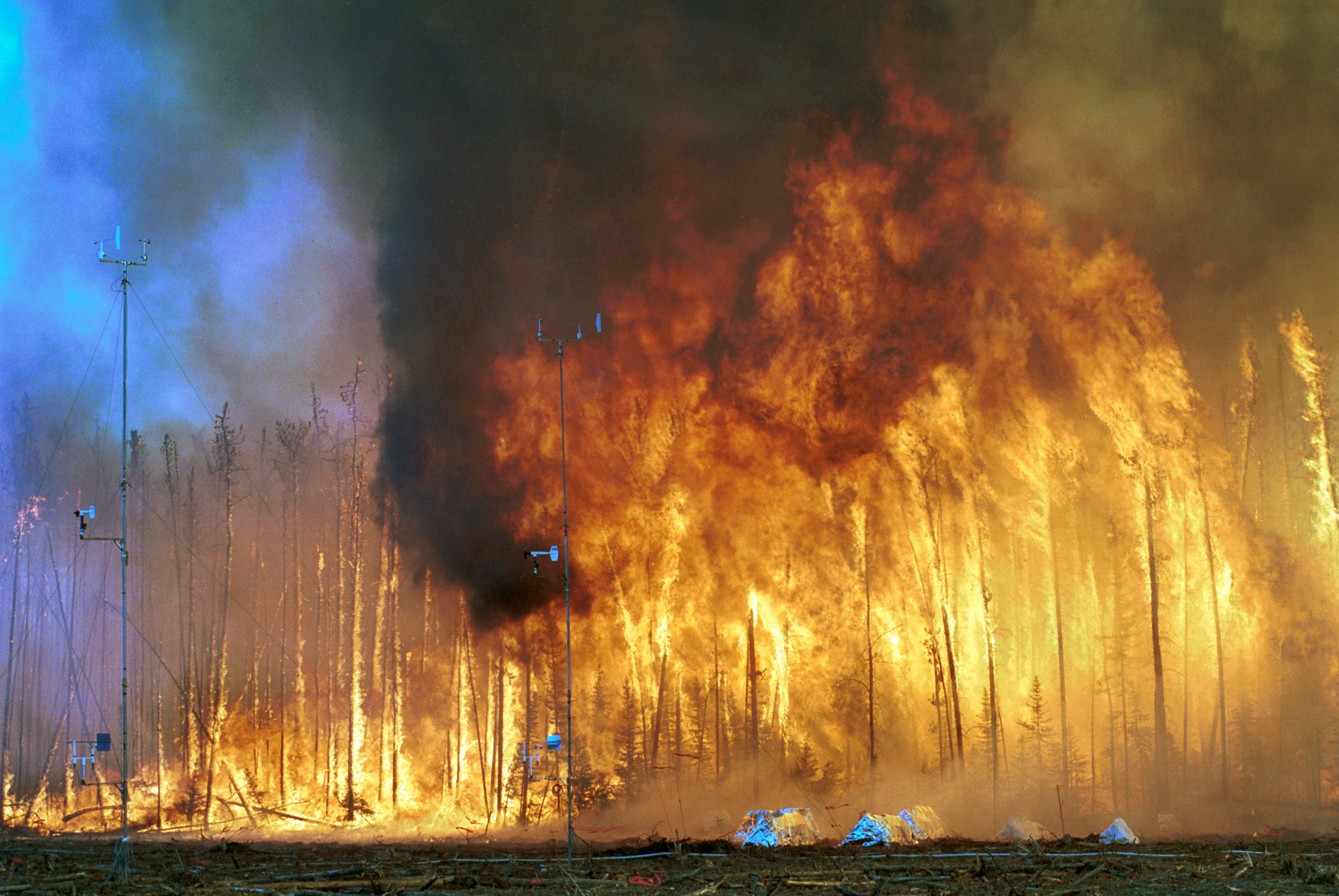
Fire Safety Planning for Forest Cabin Properties in Canada
How defensible space standards, ember-resistant vents, and roof material choices affect a cabin's survivability during a wildfire event.

Drainage and Grading Considerations for Woodland Properties
How slope, soil permeability, and seasonal freeze-thaw cycles shape drainage design decisions on forested lots across Canada.

Off-Road Access Planning for Remote Forest Properties
Road base materials, culvert sizing, and seasonal load-restriction considerations for private access roads on forested land in Canada.
Fire-Resistant Construction Starts at the Site Level
The placement of a cabin within a forested lot — its clearance from the treeline, the slope it sits on, the direction it faces — determines fire risk before a single material is chosen. Understanding the interface between structure and forest is the first step.
Read the Fire Safety OverviewWoodland Design Principles
Siting a Cabin Within the Forest
Positioning a structure within a dense stand of trees involves trade-offs that don't exist on open lots. Shade reduces heating loads but limits solar gain and keeps ground moisture high. Proximity to large conifers provides windbreak but increases ember fall during fire season.
In British Columbia and Alberta, provincial guidelines recommend a minimum 10-metre non-combustible zone around any structure on forested land. In practice, many cabins built before 2010 fall short of this threshold and would require selective clearing to meet current FireSmart standards.
Fire Safety Details
Key Topic Areas
What This Resource Covers
Fire Safety & Defensible Space
Zone-based vegetation management, roof and vent specifications, and emergency access requirements for forested properties under Canadian guidelines.
Drainage & Grading
How to manage surface runoff on sloped forested lots, including culvert sizing, French drain placement, and swale design for clay-heavy Canadian soils.
Off-Road Access Roads
Aggregate base depth, crown profiles, and bridge or culvert requirements for private roads on remote forested properties in Canada.
Cabin in Snow: Planning for Year-Round Access
Many forested cabin properties in Canada are accessible by paved road only in summer. Winter access relies on private roads maintained by the owner — an often overlooked planning factor when purchasing remote forested land. Snow compaction rates, freeze depths, and the cost of seasonal road grading vary significantly across provinces.

Winter Considerations
Snow Load, Heating, and Seasonal Road Conditions
A forested lot in Ontario, Quebec, or British Columbia can accumulate substantially different snow loads depending on elevation and prevailing weather patterns. Roof pitch and structural design must reflect local ground snow load values published by the National Building Code of Canada.
Access road maintenance costs for a remote forested property typically range from $1,500 to $6,000 per winter season depending on road length, grade, and local contractor availability — a figure rarely included in cabin purchase projections.
Road Access PlanningDrainage Failures Are the Most Common Structural Issue on Forested Lots
Seasonal ground saturation, root systems that redirect surface flow, and soil compaction from construction activity combine to create drainage problems that often don't appear until the second or third spring after a cabin is built. Addressing slope and permeability at the design stage is substantially less costly than remediation.
Drainage Reference